Loading...
Serving Palm Bay, FL and surrounding areas. (321) 766-9469
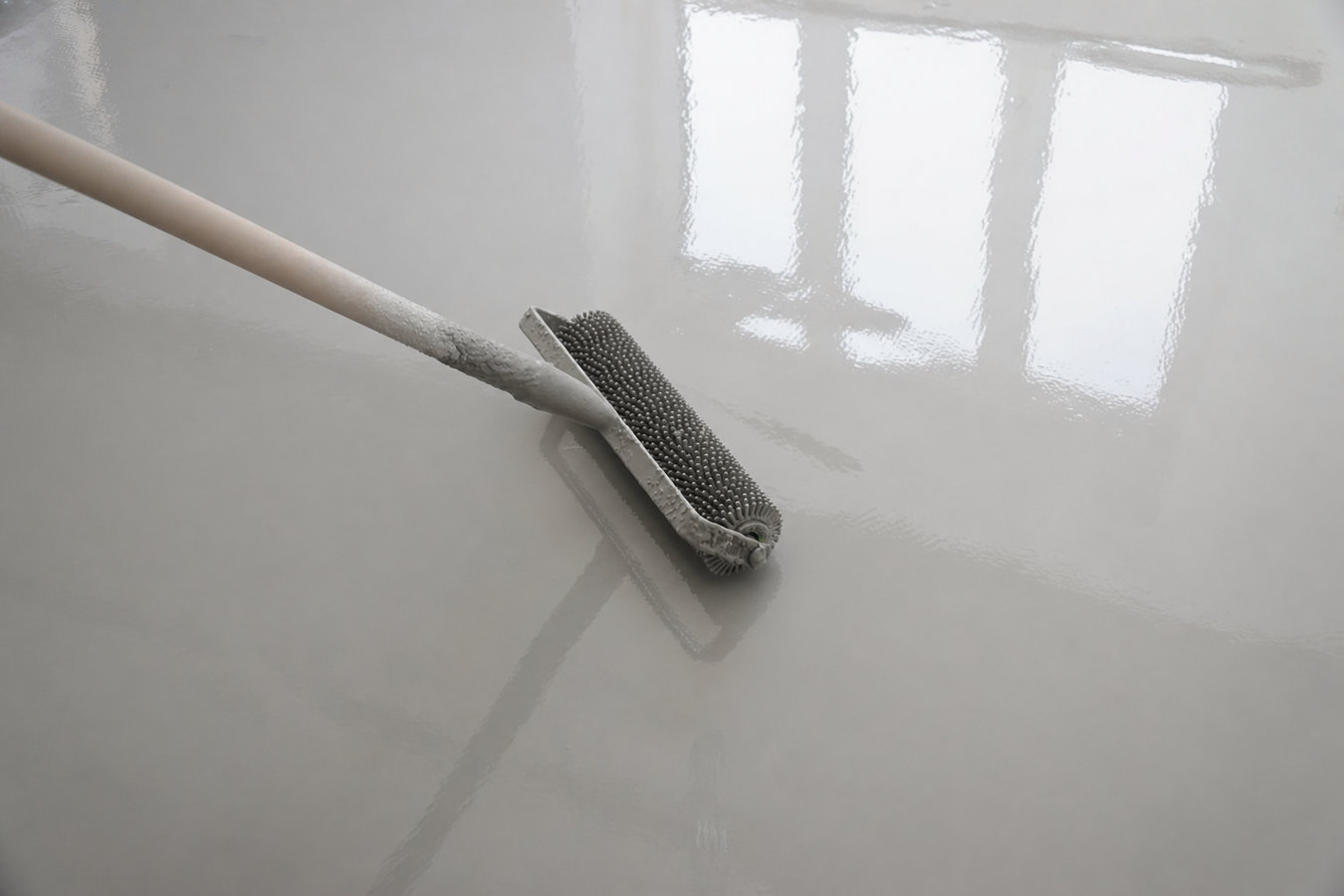
Florida sun, daily summer rain, and algae growth break down unprotected concrete fast. We clean, prep, and seal your driveway or patio so it holds up through years of Brevard County weather.
Concrete sealing in Palm Bay applies a protective layer over your driveway, patio, or garage floor that keeps water, oil, and UV rays from penetrating the surface. The application itself takes a few hours, and most surfaces need 24 to 48 hours of curing before foot or vehicle traffic resumes.
Florida's combination of intense UV, nearly 50 inches of annual rainfall, and high humidity breaks down unsealed concrete faster than in most parts of the country. Concrete sealing is not optional maintenance here - it is the difference between a surface that lasts decades and one that starts crumbling in ten years. If your concrete looks faded, has algae patches, or absorbs water instead of beading it up, you have already waited longer than ideal.
For surfaces that are stained, rough, or have old coating that needs to come off first, our concrete resurfacing and overlays service can restore the surface before sealing. If your concrete has a polished or decorative finish, see our polished concrete flooring page for how sealing fits into that process.
The simplest test is to pour a small cup of water on your driveway or patio. If it soaks in within a minute or two and darkens the concrete, the sealer has worn away and the surface is unprotected. Sealed concrete causes water to bead up and sit on the surface the way it does on a freshly waxed car. If you see absorption, the protection is gone.
If you notice green patches or dark streaks on your concrete - especially in shaded spots or along the edges near the lawn - that is algae and mildew taking hold. In Palm Bay's humid climate this happens faster than most homeowners expect, and it is a clear sign the surface is porous and absorbing moisture. Cleaning and sealing will stop the growth and slow its return.
Concrete exposed to Palm Bay's intense sun for several years often takes on a bleached, chalky appearance. This is UV breaking down the surface layer - not just a cosmetic issue, because that degradation makes the concrete more vulnerable to water damage and staining going forward. A fresh sealer with UV protection halts that process.
If your driveway has dark oil spots or rust-colored stains from lawn furniture or irrigation water that you scrub away only for them to return, that is a sign the concrete is absorbing whatever lands on it. Sealed concrete resists staining because liquids cannot penetrate the surface - making your maintenance routine noticeably easier.
We apply two main categories of sealer depending on what the surface needs and what the homeowner is trying to achieve. Penetrating sealers soak into the concrete and protect it from within without changing how it looks - these are ideal for driveways and outdoor surfaces where you want long-lasting protection without a visible sheen. Topcoat sealers sit on the surface and create a visible finish, from a light satin to a high-gloss look, and are popular for patios, garage floors, and surfaces where appearance matters as much as protection. Every job includes thorough pressure washing, crack evaluation, and algae treatment before the sealer goes on - because applying sealer over a dirty or compromised surface is the single biggest reason sealing jobs fail early.
Homeowners who want to go beyond sealing and restore a worn or damaged surface should look at our concrete resurfacing and overlays service, which can repair and refinish a surface before a final sealer coat. For interior floors that have been ground and polished, sealing is the final step in our polished concrete flooring process and is included in that service.
Best for driveways and outdoor slabs where you want invisible, long-lasting protection against moisture, oil, and biological growth without changing the surface appearance.
Suits patios and garage floors where a clean, low-sheen finish is desired - adds a polished look while protecting against UV and staining.
For homeowners who want a wet, reflective look on their driveway or garage floor - note that anti-slip additive is recommended for any gloss finish in Palm Bay's rainy conditions.
Ideal for homeowners who want to stay ahead of Palm Bay's climate - we assess the current sealer condition and apply a fresh coat before protection breaks down.
Palm Bay sits in Brevard County on Florida's Space Coast, where the sun is intense every month of the year - not just in summer. That constant UV exposure bleaches and degrades the surface of concrete faster than in most U.S. cities. Combined with a wet season from June through September that can bring daily afternoon downpours and an average of around 50 inches of rain per year, unsealed concrete in Palm Bay faces serious stress from every direction. The Florida Concrete and Products Association notes that Florida's climate creates some of the most demanding conditions for concrete surfaces in the country - sealing is considered essential maintenance here, not an upgrade.
Palm Bay also has a significant number of HOA-governed communities, particularly in newer subdivisions in the western and southern parts of the city. Many of those associations have rules about the appearance of driveways and exterior concrete - some require approval before exterior work begins. We help homeowners understand what finish options are available so they can confirm with their HOA before we start. We serve homeowners in Titusville and Cocoa Beach as well, where similar coastal climate conditions make proper sealing equally important.
We respond within one business day. A few basic questions - the size of the surface, whether you have noticed any cracking or staining, and what finish you have in mind - help us prepare before the site visit. Most people are surprised at how straightforward the process is.
We walk the area, check the condition of the concrete, assess any existing cracks or algae growth, and tell you honestly what prep work is needed before sealing. You receive a written estimate that covers everything - prep, sealer type, and total cost. No surprise add-ons when the job is done.
The crew pressure washes the entire surface, treats any algae or mildew, and fills cracks where needed before a single drop of sealer goes down. This prep stage takes as long as the sealing itself, and it is what separates a job that lasts from one that fails within a year.
Two thin coats go on with drying time between them, keeping the area clear of foot traffic and debris while the sealer sets. We do a final walkthrough with you and explain the curing timeline - typically 24 hours before foot traffic and 48 to 72 hours before vehicles. We also factor in the Palm Bay weather forecast and will not start a job if rain is expected within 24 hours.
Written price upfront. We check the forecast before we start. No pressure, no guessing.
(321) 766-9469Every sealing estimate includes pressure washing, crack evaluation, and algae treatment in the base price. Some contractors quote a low sealing price and then charge extra for prep when they arrive. Our written estimate covers the full scope from the start - what you see on paper is what you pay.
Sealer applied before rain cures properly will turn cloudy or peel within weeks. We check the two-day forecast before scheduling any outdoor job in Palm Bay and reschedule if conditions are not right. This is a basic professional standard that not every contractor follows - it is why our finished jobs hold up longer.
Florida requires contractors to hold a state-issued license through the Department of Business and Professional Regulation. You can look up any contractor's license status on the DBPR website in minutes - it is free and public. We encourage homeowners to verify before hiring anyone, including us. Working with licensed contractors also protects you if anything goes wrong.
If you live in one of Palm Bay's many planned communities, we help you understand which sealer finishes are likely to meet your HOA's appearance standards before we start. We have worked across Palm Bay's neighborhoods and understand that the last thing a homeowner needs is a notice after the work is done. Confirming finish details upfront takes five minutes and saves a lot of frustration.
Concrete sealing is a straightforward job when it is done right - but skipping proper prep or ignoring the forecast turns a simple maintenance task into a do-over. We treat prep as the most important part of every sealing job because in Palm Bay's climate, the surface you seal over determines how long it lasts.
When a surface is too worn or damaged to seal directly, resurfacing restores it before protective sealer is applied.
Learn MoreSealing is the final protective step in every polished concrete job - see how the two services work together.
Learn MoreCall us today or request a free estimate - sealed surfaces resist algae, UV, and water damage far longer than bare concrete in Brevard County's climate.